
The Golden Goals of the USA Olympic hockey teams are not the only records being broken lately. Rhode Island received its most snowfall since records have been kept with the Blizzard of 2026. We understand such a massive storm can bring nostalgia, excitement, concern, and anxiety. Regardless of which emotion you may be feeling, especially if your side street hasn’t been plowed yet, safety should always be top of mind. With a potential new storm projected for next week, let’s keep the focus on the checklist below.
When a big storm is rolling in, most people remember the milk, bread, and eggs. But it’s usually the “utility” side of home maintenance—the stuff that keeps you safe and warm—that gets overlooked in the rush.
Here is a checklist of the critical things people often forget to do before the snow starts piling up.
Critical Safety & Utilities
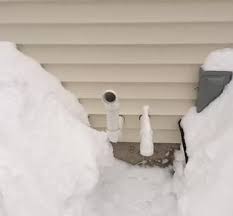
Clear the Exhaust Vents: Locate your high-efficiency furnace, water heater, and dryer vents. If snow drifts block these, carbon monoxide (CO) can back up into your home. (Identify the Vents: Look for white, 2-to-3-inch PVC pipes extending from the side of your home. High-efficiency furnaces usually have two—one for exhaust and one for air intake.)
Pro-tip: Mark their locations with a tall stake now so you can find them under three feet of snow later.
Test the Sump Pump: If you have a basement, a massive snowmelt followed by rain is a recipe for a flood. Pour a bucket of water in the pit to ensure the pump triggers.
Check the Backup Battery: If your CO and smoke detectors are hardwired, make sure they have fresh backup batteries in case the grid goes down.
Locate the Main Water Shut-off: If a pipe freezes and bursts, you don’t want to be searching for the shut-off valve behind a pile of boxes in the dark.
Vehicle & Exterior Prep
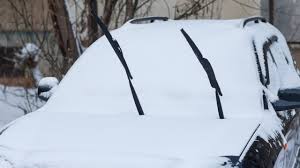
Pull Wipers Away from the Windshield: Flip them up so they don’t freeze to the glass. It saves the rubber blades and makes scraping the ice much easier.
Point Your Car Outward: If you have to leave in an emergency, it is significantly easier to drive forward through a drift than to try to reverse out of a snowy driveway.
Gas Up Everything: Fill the car tank (to prevent fuel line freeze) and make sure your snowblower has fresh stabilized fuel.
Clear the “Hidden” Drains: If you have a basement stairwell drain or a driveway drain, clear the leaves out now. If they’re blocked, the melting snow will turn your basement into a swimming pool.
Indoor Comfort
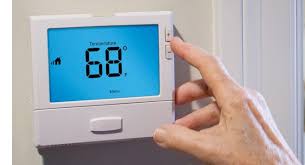
The “Pre-Heat” Strategy: Crank your heat up 2–3 degrees higher than normal a few hours before the storm hits. If the power goes out, your home starts at a higher baseline temperature.
Hydrate Your Electronics: Charge every power bank, laptop, and tablet you own. If the internet goes out, downloaded movies are a lifesaver for restless kids (and adults).
The Laundry Dash: Do every load of laundry you have before the storm. If you lose power for three days, you don’t want to be stuck with a mountain of damp, dirty clothes.
Fill the Tub (The “Toilet Trick”): If you rely on a well pump, no power means no water. Fill a bathtub; you can use a bucket of that water to manually flush the toilets.
**If you’re using a portable generator to keep the lights on, keep it at least 20 feet away from the house. Never run it in the garage, even with the door open—CO is a silent killer and doesn’t care about a “cracked” garage door.